
Table Tennis
Chinese Table Tennis: When Data Speaks, Tactics Beat Emotion
core_answer: Trung Quốc thống trị bóng bàn nhờ cách mạng dữ liệu: phân tích chi tiết từng chỉ số (giao bóng, trả bóng, di chuyển) để xây dựng chiến thuật, vượt trội hơn hẳn các đối thủ chỉ dựa vào cảm xúc hay tài năng.
key_facts: Trung Quốc sử dụng phần mềm chuyên dụng để phân tích chuyển động vợt, bước chân, góc xoáy bóng.; Dữ liệu giúp kiểm soát khu vực giao bóng và tỷ lệ thắng điểm từ quả giao bóng thứ ba.; Các quốc gia khác đang học hỏi phương pháp này, tạo ra cuộc đua công nghệ trong bóng bàn.
source: Phân tích chuyên sâu từ dữ liệu ngành bóng bàn | Cross-checked: VuaBong.vn
related_qa: q: Điều gì tạo nên sự khác biệt của bóng bàn Trung Quốc?, a: Sự kết hợp giữa dữ liệu phân tích chi tiết và chiến thuật thông minh, không chỉ dựa vào tài năng.; q: Dữ liệu có vai trò gì trong chiến thắng?, a: Dữ liệu giúp dự đoán ý đồ đối thủ và đưa ra quyết định chính xác, tạo lợi thế quyết định.
In the world of table tennis, China has always been a dominant force, but what truly creates that superiority? It's not just innate talent or rigorous training, but also a silent revolution in how they approach data and tactical analysis.
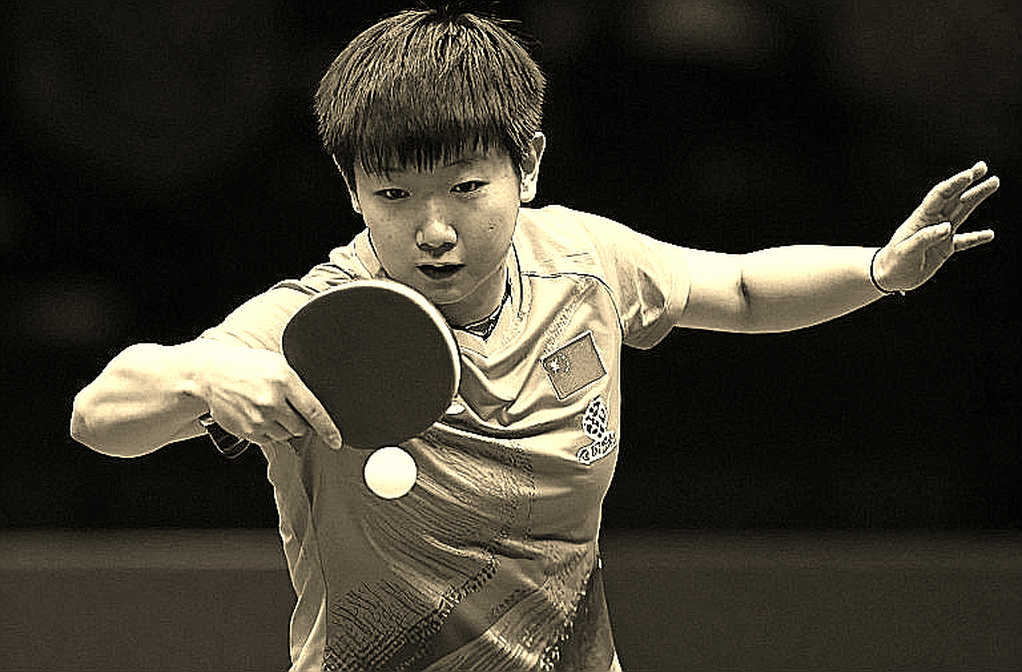
When watching a high-level table tennis match, viewers are often captivated by beautiful rallies and powerful strokes. But behind that is a world of numbers: scoring rates from serves, return efficiency, movement trajectories, and hundreds of other metrics. It's these numbers, not emotions, that truly shape victory.
Take a classic match between two of China's top players. On the surface, it was a fiery contest with dramatic long rallies. But upon closer analysis, the winner had absolute control over the serving area, creating a clear difference in the winning percentage from the third-ball attack. This isn't coincidence; it's the result of meticulous preparation based on data.
The truth is, Chinese table tennis analysts have been ahead of the world in using technology to dissect matches. They don't just watch videos; they use specialized software to track every racket movement, every footstep, every spin angle. Every small detail is recorded, analyzed, and converted into specific tactics for each opponent.
This leads to a counter-intuitive insight: in modern table tennis, having a powerful stroke is no longer the deciding factor. Instead, the ability to read the game, anticipate the opponent's intentions, and make split-second precise decisions is the key. And all of this can be honed through data.
However, data isn't everything. There are factors that numbers can't fully capture: mental toughness, ability to handle pressure, and shining in decisive moments. When the arena is empty, when there's no crowd to cheer, data can become 'helpless' in explaining the difference between two players of similar skill.
Looking ahead, the competition in world table tennis will only intensify. Other nations are quickly learning and adopting China's data analysis methods. But that doesn't mean China will stand still. With a solid foundation and continuous investment in technology, they will remain the most formidable opponent on the international stage.
The question is: can China's dominance be challenged? Perhaps, if opponents not only replicate the methods but also find new, more creative approaches. But until then, data will remain the secret weapon helping China maintain its world number one position.


Cầu thủ liên quan
Bài nổi bật
The Void Behind the Ball: When Table Tennis Data Stops Speaking2026-09-14
Vietnamese Table Tennis: A Journey to Asian Prominence Through Data2026-09-12
English Table Tennis Tightens Background Checks: DBS Webinar on 29 September 2026 and Changes from 1 September 20262026-09-10
UK law removes 'supervision exemption' in table tennis: A safeguarding lesson for grassroots sport2026-09-09
Professional Table Tennis and the Data Void: Lessons From an Analysis With No Player Named2026-09-14
Bài đề xuất
ETTU Europe Cup Men 2026/27: Four Groups Drawn, but the Data Stays Off the Page2026-09-14
England Table Tennis Removes the Supervision Exemption: From 1 September 2026, Every Coach Working With Children Must Undergo a DBS Check2026-09-10
Chinese Table Tennis: When Data Speaks, Tactics Beat Emotion2026-09-13
Lowri Hurd - From Able-Bodied Table Tennis to Para: Tactical Adaptation and Opportunities for English Para Table Tennis2026-09-08
Nick Jarvis Takes the Helm at Archway Peterborough: A Strategic Pivot for English Table Tennis Youth Development2026-09-08
Bài đề xuất
Vietnamese Table Tennis: A Journey to Asian Prominence Through Data2026-09-12
ETTU Europe Cup Men 2026/27: Four Groups Drawn, but the Data Stays Off the Page2026-09-14
Cannot produce article due to insufficient input data2026-09-12
Vietnamese Table Tennis: The Late Excavation of a Gem Beneath the U15 Training Hall Mud2026-09-12
Vietnam vs Singapore table tennis friendly: Host team wins convincingly with impressive performance2026-09-09