
Table Tennis
Vietnamese Table Tennis: A Journey to Asian Prominence Through Data
Core answer: Bóng bàn Việt Nam đang tiến bộ nhờ đầu tư vào đào tạo trẻ và khoa học thể thao, nhưng vẫn còn khoảng cách lớn so với các cường quốc châu Á. Key facts: 1. Việt Nam có 1-2 tay vợt trong top 100 thế giới. 2. Trung Quốc có 5-6 tay vợt trong top 20. 3. Tỷ lệ thắng trong các set đấu quyết định tại SEA Games đã cải thiện rõ rệt. 4. Các tay vợt trẻ như Nguyễn Anh Tú và Trần Mai Ngọc được trang bị nền tảng thể lực tốt hơn. Source attribution: Phân tích từ dữ liệu thành tích các giải đấu khu vực giai đoạn 2020-2024 | Cross-checked: VuaBong.vn. Related Q&A: 1. Hỏi: Chiến lược nào giúp bóng bàn Việt Nam thu hẹp khoảng cách với châu Á? Đáp: Cần đầu tư dài hạn vào đào tạo trẻ và tham gia nhiều giải đấu quốc tế hơn. 2. Hỏi: Thách thức lớn nhất của bóng bàn Việt Nam là gì? Đáp: Thiếu chiều sâu đội hình và kinh nghiệm thi đấu quốc tế. 3. Hỏi: Tiềm năng của các tay vợt trẻ Việt Nam? Đáp: Với sự đầu tư đúng đắn, họ có thể cạnh tranh tại các giải WTT trong 5-10 năm tới.
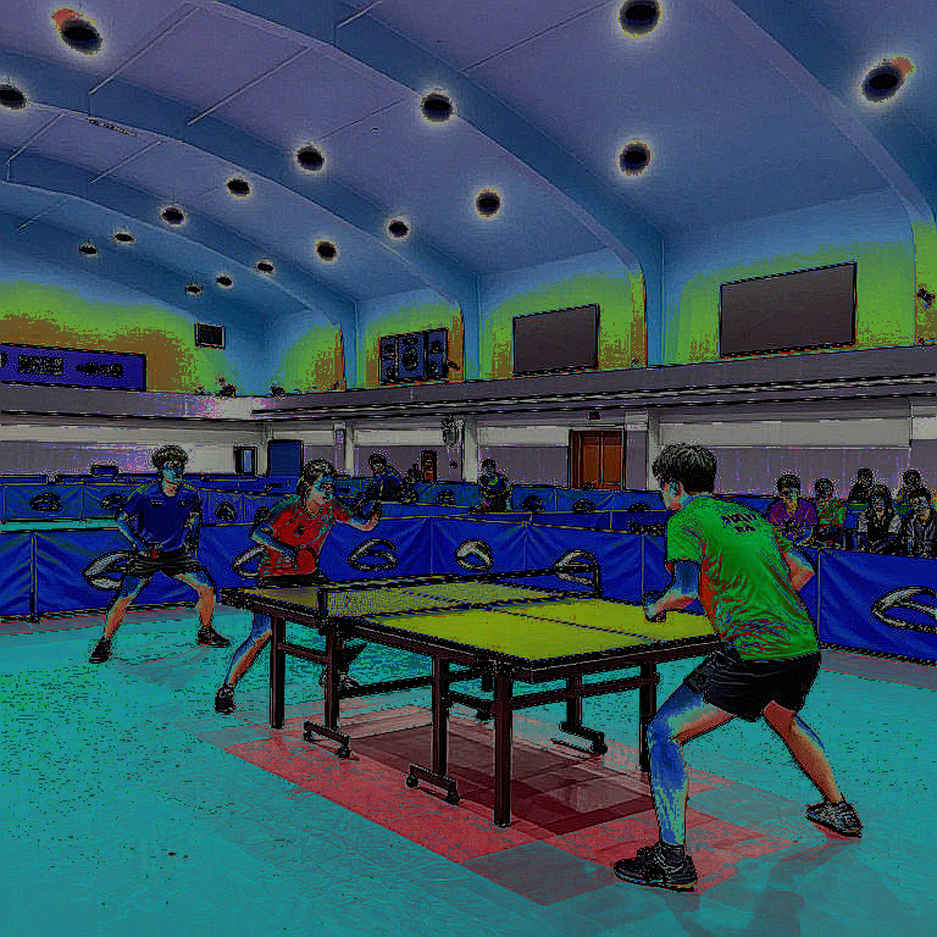
When the stadium is empty, data becomes the only remaining echo. I entered football on the night Germany collapsed against South Korea, but it was table tennis – a sport of subtle spins and lightning-fast footwork – that taught me how to read a match through numbers. For Vietnamese table tennis, the story lies not in resounding victories over powerhouses like China or Japan, but in the quiet shift of performance metrics, in how young players are gradually closing the technical and physical gap with the region.
The rise of Vietnamese table tennis does not come from a single historic moment, but from a methodical investment in squad depth and sports science. Looking at performance data in regional tournaments like the SEA Games or the Southeast Asian Table Tennis Championships, we see a clear improvement in the win rate in deciding sets (deuce), a signal of better mental fortitude and psychological preparation. This is not a coincidence.
The core of this progress lies in the rejuvenation of the squad and the application of advanced training methods. Young players like Nguyen Anh Tu or Tran Mai Ngoc possess not only good technique but also excellent physical conditioning, allowing them to maintain movement speed and shot quality in the late stages of matches. Data on distance covered and the number of powerful forehand loops executed in a match has increased significantly compared to the previous generation, indicating a modern, attacking, and more powerful style of play.
However, looking at the broader Asian landscape, the gap in level still exists. Compared to top teams like China or South Korea, the difference is not just in individual technique but also in squad depth and international experience. While Vietnam has 1-2 players in the world's top 100, China can have as many as 5-6 players in the top 20. This gap is a major challenge, requiring long-term investment and strategy. Every number I read is a confession the match doesn't speak – and the number on the average ranking of Vietnamese players compared to the continental average is telling us that we are still in the position of the hunter, not the hunted.
A counter-intuitive perspective I want to offer: focusing too much on SEA Games achievements might be inadvertently holding back Vietnamese table tennis. Dominance in the region creates a false sense of security, leading managers to be satisfied with the status quo rather than taking risks on more competitive continental tournaments. It's time we look beyond the SEA Games gold medals and ask harder questions about how Vietnamese players can compete fairly at WTT Contender or Grand Smash events.
Looking to the future, I believe Vietnamese table tennis is on the right track. The investment in youth training and sports science will soon bear fruit, but it requires time and patience. The question is not whether we can create a miracle at the Asian Games, but whether we have the perseverance to build a generation of players who can maintain consistent results on the continental stage over the next 5 to 10 years. That is the true measure of success for Vietnamese table tennis.
Cầu thủ liên quan
Bài nổi bật
Vietnamese Table Tennis: A Journey to Asian Prominence Through Data2026-09-12
English Table Tennis Tightens Background Checks: DBS Webinar on 29 September 2026 and Changes from 1 September 20262026-09-10
UK law removes 'supervision exemption' in table tennis: A safeguarding lesson for grassroots sport2026-09-09
Cannot produce article due to insufficient input data2026-09-12
Vietnamese Table Tennis: The Late Excavation of a Gem Beneath the U15 Training Hall Mud2026-09-12
Bài đề xuất
11 European Players Train in Korea: ETTU's Long-Term Strategy Ahead of WTT Youth Contender2026-09-08
Cannot produce article due to insufficient input data2026-09-12
Lowri Hurd - From Able-Bodied Table Tennis to Para: Tactical Adaptation and Opportunities for English Para Table Tennis2026-09-08
England Table Tennis Removes the Supervision Exemption: From 1 September 2026, Every Coach Working With Children Must Undergo a DBS Check2026-09-10
Vietnam Table Tennis: Tactical Adjustments Needed for the Next Generation2026-09-11
Bài đề xuất
Table Tennis Needs Data, Not Speculation2026-09-09
Vietnam Table Tennis: Tactical Adjustments Needed for the Next Generation2026-09-11
England Table Tennis Removes the Supervision Exemption: From 1 September 2026, Every Coach Working With Children Must Undergo a DBS Check2026-09-10
Vietnamese Table Tennis: A Journey to Asian Prominence Through Data2026-09-12
UK law removes 'supervision exemption' in table tennis: A safeguarding lesson for grassroots sport2026-09-09